
Your car’s braking system is one of its most important safety systems. Every time you press the brake pedal, several components work together to slow down or stop your vehicle safely. When any part of the braking system starts to wear out or malfunction, it can affect your vehicle’s stopping ability and put you and other road users at risk.
Some car brake problems are easy to notice, while others can develop gradually without obvious warning. Ignoring unusual sounds, vibrations, warning lights, or changes in brake performance can turn a small repair into a major and expensive problem.
If you notice anything unusual when braking, it is important to have your vehicle inspected by a qualified mechanic as soon as possible.Regular maintenance helps improve vehicle performance. You can also check the National Highway Traffic Safety Administration for vehicle safety information.
Table of Contents
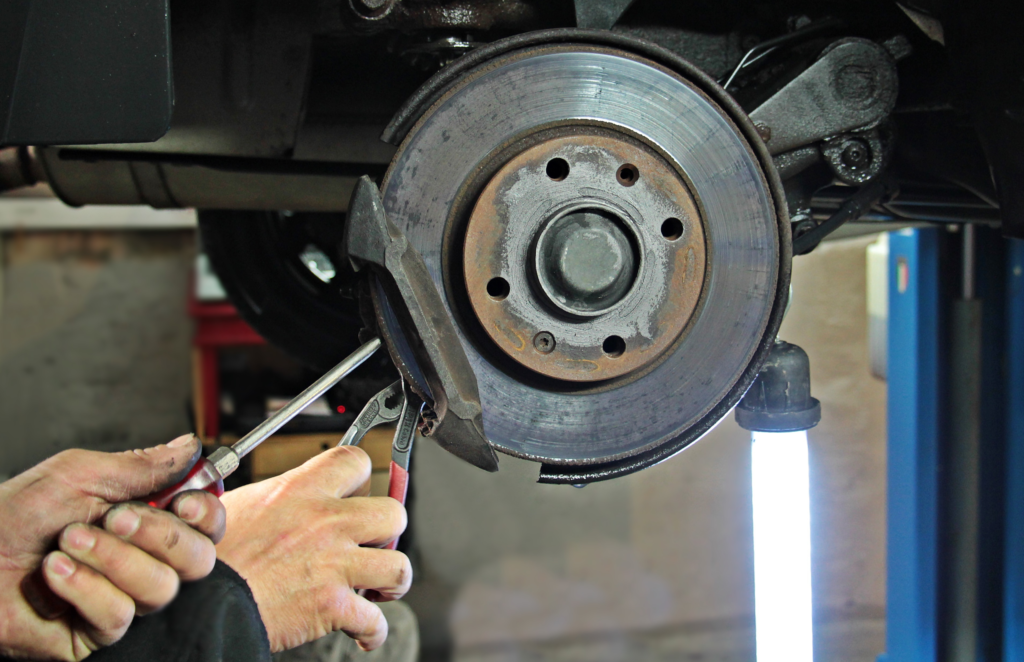
Here are six common car brake problems you should never ignore.
1. Squeaking or Screeching When Braking
One of the most common signs of a car brake problem is a high-pitched squeaking or screeching sound when you press the brake pedal. Brake pads naturally wear down over time. Many brake pads are designed with a small wear indicator that produces a noticeable squealing sound when the pads become thin. This sound is intended to warn the driver that the brake pads may need inspection or replacement.However, not every brake noise means the same thing.
Squeaking can also occur because of dust, moisture, worn brake components, or other issues within the braking system.If the noise happens regularly, do not simply turn up the radio and ignore it. Have your brakes inspected to determine the actual cause.Early inspection can help prevent further damage to the brake rotors and other components.
2. Grinding Noise From the Brakes
A grinding noise is generally more concerning than a light squeak.If you hear a harsh grinding or metal-on-metal sound whenever you brake, your brake pads may have worn down significantly. When the friction material on a brake pad is completely worn away, the metal backing can come into contact with the brake rotor.
Continuing to drive with this type of problem can damage the rotor and potentially other braking components. What might have started as a brake pad replacement could become a much more expensive brake repair.If your vehicle produces a grinding sound while braking, it is best to have it checked immediately.Do not wait for the problem to become worse before visiting a car service center.
3. Your Car Pulls to One Side When Braking
Does your car move or pull toward the left or right when you apply the brakes?This can be another important warning sign.A vehicle may pull to one side because the brakes are not applying evenly. Possible causes can include unevenly worn brake pads, a sticking brake caliper, problems with brake components, or other mechanical issues.In some cases, pulling may also be related to tire or suspension problems rather than the brakes themselves. This is why a professional inspection is important.
Driving a vehicle that pulls strongly during braking can make it more difficult to maintain control, especially during emergency stops or on busy roads.If your vehicle does not brake in a straight and predictable manner, arrange for a brake inspection as soon as possible.
4. A Soft or Spongy Brake Pedal
Your brake pedal should normally provide a firm and predictable feel when you press it.If the pedal suddenly feels soft, spongy, or unusually low, there may be an issue with the braking system.
A soft brake pedal can sometimes be associated with air or moisture in the brake lines, low brake fluid, hydraulic problems, or other brake system faults.This is not something you should ignore because your brakes rely on hydraulic pressure to operate correctly.If the brake pedal feels different from normal, avoid unnecessary driving and have the vehicle inspected by a qualified mechanic.A change in brake pedal feel can be an early warning that your braking system requires attention.
5. Steering Wheel or Brake Pedal Vibrates
Another common sign of car brake problems is vibration when braking.You may notice the steering wheel shaking or the brake pedal pulsating when you apply the brakes, particularly at higher speeds.One possible cause is an uneven or warped brake rotor. Brake rotors can develop uneven surfaces because of heat, wear, or other factors. When the brake pads contact the rotor, this uneven surface can create noticeable vibration.
However, vibration can also be caused by tire, wheel, suspension, or alignment problems. A professional mechanic can inspect the vehicle and determine the actual source.Do not assume that vibration is simply a normal part of an older vehicle. If your car shakes every time you brake, it deserves attention.
6. Brake Warning Light Appears on the Dashboard
Modern vehicles use dashboard warning lights to alert drivers when certain systems require attention.If the brake warning light appears on your dashboard, do not ignore it.Depending on the vehicle, a brake warning light can indicate issues such as low brake fluid, a parking brake that has not been released, or a problem within the braking system.Some vehicles may also display an ABS warning light. The Anti-lock Braking System helps prevent the wheels from locking during hard braking, allowing the driver to maintain better steering control.A warning light does not always mean that the brakes are about to fail. However, it should always be investigated rather than ignored.If a brake-related warning light stays illuminated, schedule a professional inspection.
Why Regular Brake Maintenance Matters
Waiting until your brakes make a loud noise or stop working properly is not a good maintenance strategy.Regular brake inspections allow mechanics to identify worn components before they become serious problems. During an inspection, a mechanic may check the condition of the brake pads, rotors, calipers, brake fluid, brake lines, and other related components.The exact maintenance schedule depends on the vehicle, driving conditions, mileage, and manufacturer’s recommendations.Drivers who frequently travel in heavy traffic, drive in hilly areas, or regularly carry heavy loads may experience different levels of brake wear compared with drivers who mainly travel on open roads.Regular maintenance can help keep your braking system working properly and may also help prevent unexpected repair costs.
How Long Do Brake Pads Last?
There is no single mileage number that applies to every vehicle.
Brake pad life depends on several factors, including driving habits, traffic conditions, vehicle weight, road conditions, brake pad material, and how frequently the brakes are used.
For example, frequent stop-and-go city driving can cause more brake wear than steady highway driving.
Instead of relying only on mileage, pay attention to changes in brake performance. Unusual noises, vibrations, pulling, or changes in pedal feel can indicate that your brakes need inspection.
Your mechanic can measure brake component wear and recommend replacement when necessary.
Can You Drive With Bad Brakes?
It depends on the type and severity of the problem, but driving with a suspected serious brake issue is not recommended.
Brakes are essential safety components. If your vehicle has significantly reduced stopping power, a very soft brake pedal, grinding brakes, a major brake fluid leak, or another serious warning sign, continuing to drive could be dangerous.
If you are unsure whether your vehicle is safe to drive, have it inspected by a professional mechanic.
It is always better to address a car brake problem early than to risk a dangerous situation on the road.
How to Prevent Common Car Brake Problems
You cannot prevent every car brake problems, but good maintenance can reduce unnecessary wear and help you identify issues earlier.
Follow these simple habits:
- Follow your vehicle manufacturer’s recommended maintenance schedule.
- Have your brakes inspected regularly.
- Pay attention to unusual sounds.
- Do not ignore dashboard warning lights.
- Avoid unnecessary hard braking.
- Check brake fluid according to the manufacturer’s recommendations.
- Have unusual vibrations or pulling inspected.
- Replace worn brake components when recommended.
- Use quality replacement parts suitable for your vehicle.
Most importantly, do not wait for a complete brake failure before getting your vehicle checked.
When Should You Visit a Car Service Center?
You should consider having your vehicle inspected when you notice any change in braking performance.
Common warning signs include:
- Squeaking or grinding noises
- A soft or spongy brake pedal
- Longer stopping distances
- Vehicle pulling to one side
- Steering wheel vibration while braking
- Brake pedal vibration
- Brake warning lights
- Low brake fluid
- Unusual smells after braking
- Reduced braking performance
Some problems may be minor, while others can require immediate attention. A professional inspection is the best way to determine what is actually wrong with your vehicle.
Frequently Asked Questions About Car Brake Problems
What is the most common sign of a brake problem?
Squeaking or screeching while braking is one of the most common warning signs. It can indicate worn brake pads, although other issues can also cause brake noise.
How do I know if my brake pads need replacing?
Unusual squeaking, grinding, reduced braking performance, or a brake inspection showing excessive pad wear can indicate that replacement is needed.
Why does my car shake when I brake?
Brake vibration can be caused by uneven brake rotors, but tire, wheel, suspension, or alignment issues can also produce similar symptoms. A mechanic should inspect the vehicle to identify the cause.
Is a soft brake pedal dangerous?
A soft or spongy brake pedal can indicate a problem with the braking system and should not be ignored. Have the vehicle inspected as soon as possible.
How often should I have my brakes checked?
Brake inspection frequency depends on your vehicle, driving habits, mileage, and manufacturer’s recommendations. It is also important to have the brakes checked whenever you notice unusual symptoms.
Final Thoughts
Your vehicle’s brakes play a critical role in keeping you, your passengers, and other road users safe. Recognizing car brake problems early can help you avoid more serious damage and unexpected repair expenses.
Squeaking, grinding, pulling, vibration, a soft brake pedal, and dashboard warning lights are all signs that your braking system may need attention.
Don’t wait until a small brake issue becomes a major safety concern. If you notice unusual braking behavior, have your vehicle inspected by a qualified mechanic and get the necessary repairs completed.
Regular inspection and proper maintenance can help keep your car’s braking system reliable and ready for the road.